

 CART
CART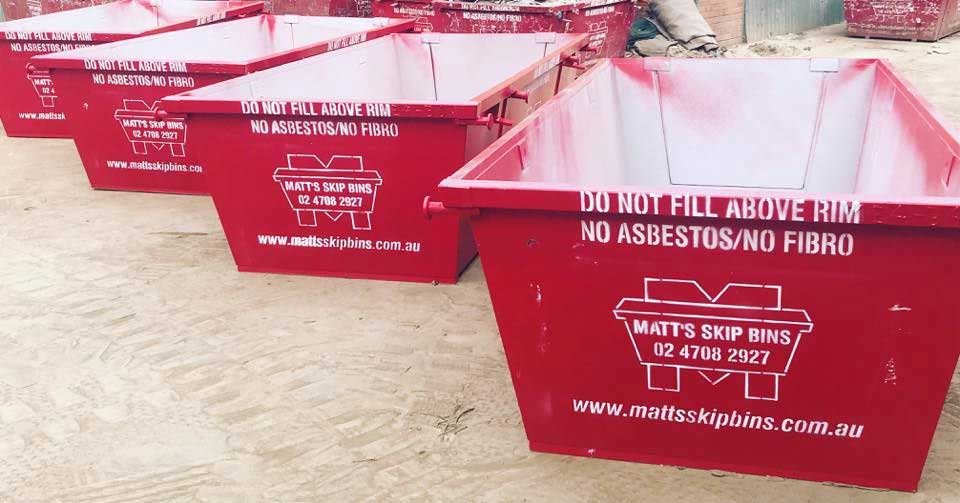
30 Sep • 5 min Read Outdoor Renovation Projects That Need a Skip Bin
A free weekend, a bit of motivation, and a backyard that’s been on the to-do list for too long. That’s usually all it takes to kick off an outdoor project. Whether you’re pulling out an old deck, overhauling the garden, clearing out the shed or tackling something bigger like a pool removal, these are the kinds of jobs that make a real difference to a property. They’re also the kinds of jobs that generate far more waste than most people expect.
A pile of old timber, a heap of garden clippings, or a demolished garden bed can quickly outgrow your council bin and take over your driveway. A skip bin on site from day one means you can work at your own pace, throw everything in as you go, and have it collected when you’re done. Below are eight of the most common outdoor projects Sydney homeowners tackle, with practical advice on waste management and the size of bin to consider for each one.
1. Garden Cleanup and Green Waste Removal
A proper garden overhaul generates more waste than most people bargain for. Overgrown shrubs, dead trees, old mulch, grass clippings, palm fronds and garden trimmings add up fast, and a standard council bin won’t get close to handling a full cleanup.
Depending on how overgrown the yard is, a 3m or 4m skip bin is usually the right call for green waste. If you’re also pulling out old timber garden edging, sleepers, or broken pots, a Mixed Building Waste bin gives you more flexibility in mixing waste types.
One thing worth knowing: Matt’s Skip Bins sorts and recycles green waste where possible, so a lot of what you throw out gets a second life rather than heading straight to landfill.

2. Deck or Patio Removal
Old timber decks don’t last forever. If yours is rotting, splintering, or just tired-looking, pulling it out is a solid weekend job for two people with the right tools. The tricky part is that even a modest-sized deck produces an enormous pile of old timber, screws, joists and supports once it’s all down.
A 4m or 6m skip bin works well for most residential deck removals. If the deck has a concrete slab underneath that you’re also removing, a Mixed Building Waste bin can handle both, though it’s worth calling the team to confirm the best approach given the volume of concrete involved.
If the timber is still in reasonable condition, it’s worth checking whether a salvage yard or community group will take it before you bin the lot.
3. Pool Removal or Decommissioning
Pool removal has become much more common as older pools deteriorate, running costs climb, or families simply no longer need them. The process typically involves partial or full demolition of the pool structure, removal of the surrounding concrete or paving, and backfilling.
This kind of project generates a significant amount of concrete, tiling, pipework and surrounding patio materials. Multiple skip bins or multiple lifts of the same bin are common for pool removals. It’s worth talking to Matt’s Skip Bins team before you start so you can plan for the right bin type and size. Concrete needs to go in a Mixed Building Waste bin, not a general waste bin, and the volumes involved in a full pool demo can catch people off guard.
4. Retaining Wall Removal or Rebuild
Retaining walls take a beating over the years, and one that’s started to lean or crack needs to come down properly before it causes bigger problems. Depending on the size, you could be looking at hundreds of individual blocks or bricks, plus backfill material, old drainage pipe and assorted rubble.
This is a heavy materials job. A Mixed Building Waste bin is usually the right call, as it accepts concrete, bricks and soil together. If you’re rebuilding the wall at the same time, factor in off-cuts and packaging waste from the new materials as well. It’s also worth sizing up rather than down on this one, because rubble fills a bin faster than you’d expect.
5. Shed Demolition
Getting rid of an old shed that’s rusted out, structurally unsound or just in the way is one of those jobs that’s been on the list for years. Taking one down doesn’t take long, but the resulting mess does. Corrugated iron sheets, timber framing, old shelving, concrete footings and whatever’s been stored inside for the past decade all need somewhere to go.
A 4m or 6m skip bin is suitable for most residential shed demolitions. One important thing to be aware of: older sheds can contain asbestos in the roofing or wall sheeting. If that’s a possibility, have the materials checked before you start demolition. Asbestos waste cannot go in a standard skip and needs to be handled by a licensed removalist and disposed of separately.
6. Driveway or Concrete Removal
Cracked, sunken or just outdated driveways are often replaced as part of a broader outdoor renovation. Breaking up and removing old concrete is heavy, labour-intensive work, and the resulting rubble needs to go somewhere appropriate.
Concrete and brick waste goes into a Mixed Building Waste bin, separate from general or green waste. Weight limits matter here. Concrete is dense, and a seemingly small pile can hit the limit of a bin quickly. For larger driveways, it’s often better to order a smaller bin and have it lifted and replaced than to try to overload one. The team can help you work out the most cost-effective approach before you start.
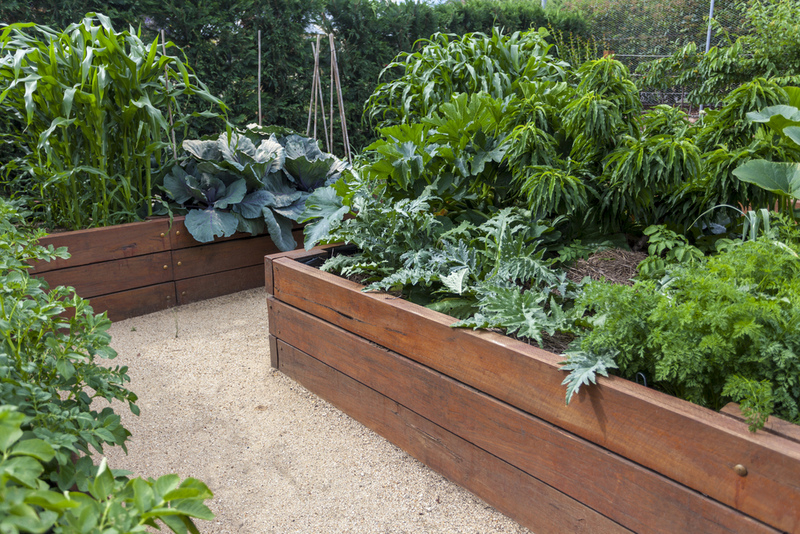
7. Landscaping and Garden Bed Renovation
Starting fresh with your garden beds often means ripping out what was there first. New plants, a new layout, new soil. All of that comes after you’ve cleared out the old pavers, stepping stones, garden edging, tired soil and dead root systems that have built up over time.
Landscaping jobs often produce a mix of waste types: green waste from old plants, soil and dirt, and hard materials like broken pavers or old garden borders. A Mixed Building Waste bin is usually the most practical option here, as it can handle a combination of materials. If you’re pulling out a significant amount of clean soil, a separate Dirt and Clay bin may be worth considering, as disposal facilities are strict about what goes in each bin type.
8. Garage or Outdoor Storage Cleanout
A serious cleanout of a garage or outdoor storage area is one of the fastest ways to reclaim usable space at home. Old furniture, broken equipment, sports gear, kids’ toys and years of accumulated junk can fill a skip surprisingly quickly once you get going.
A 2m or 3m bin is usually enough for a residential garage cleanout if you’re being decisive about what stays and what goes. If you’ve been accumulating for years or you’re clearing out a whole property, it pays to size up. Keep in mind that some items can’t go in skip bins regardless of type. Paint, chemicals, gas bottles and batteries all need to go through your local council’s hazardous waste disposal service rather than into a skip.
What Size Bin Do You Need?
Choosing the right bin before you start saves time and money. As a rough guide:
- Small garden tidy-up or single-room cleanout: 2m or 3m bin
- Deck removal, shed demo, landscaping overhaul: 4m or 6m bin
- Large concrete or paving removal, pool demolition: call the team before ordering
- Mixed jobs with soil, green waste and hard materials: a Mixed Building Waste bin, or separate bins depending on volumes
When in doubt, sizing up front costs less than paying for a second lift. The Matt’s Skip Bins team can talk through your project and help you choose before you book.
Ready to Get Started?
Whatever outdoor project you’ve got lined up, Matt’s Skip Bins delivers across Western Sydney, including Penrith, Hawkesbury, the Blue Mountains, Blacktown, the Hills District, Camden, Macarthur and Liverpool. Call 02 4708 2927 to talk through your project, or book a bin online.

